TL;DR
Saturday centres on the pivotal moment before the legend: a young Dylan in New York City in 1961. The music we’ll hear paints a vivid picture of his day, a walk in his early footsteps, not just Dylan himself but the entire musical landscape from which his distinctive sound originated and he ultimately reshaped.
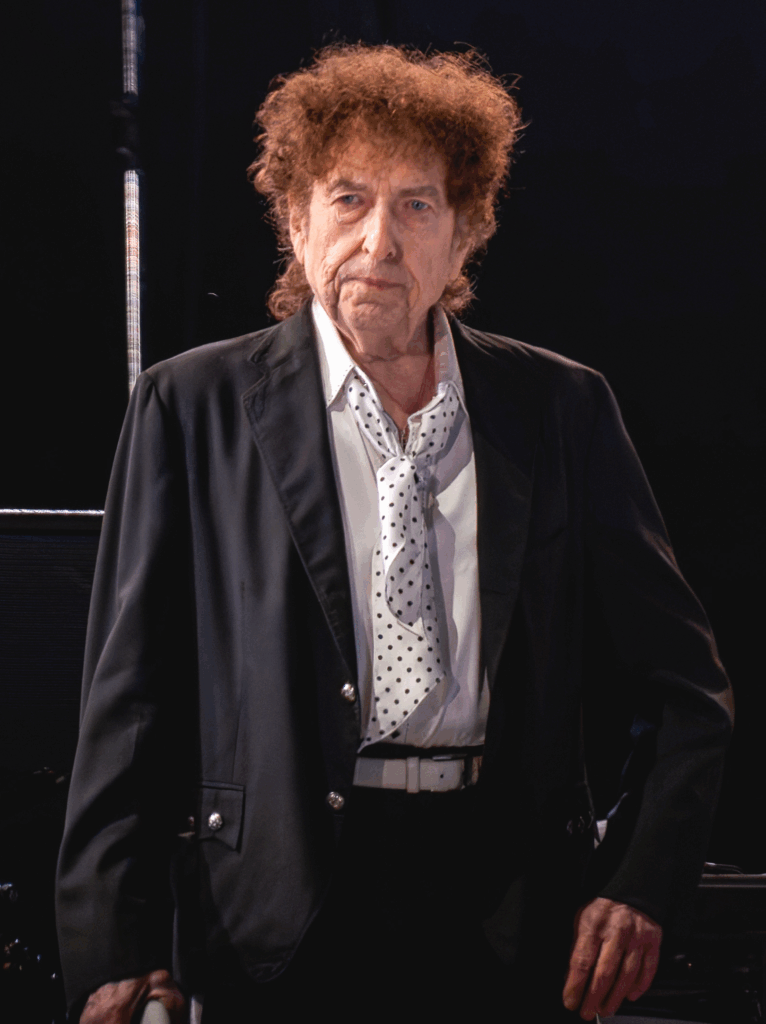
The Signal Before the Storm — Saturday, April 11
There are moments in music history that don’t feel historic at all when they happen. They feel small. Local. Almost accidental.
Tonight’s broadcast follows one of those moments and everything that quietly grew out of it.
In early 1961, a 19-year-old from Minnesota arrived in New York with little more than a guitar, a harmonica, and a head full of borrowed songs. He wasn’t a star. Not even close. He was looking for Woody Guthrie. And in the process, he found a city that was already humming with something new.
Greenwich Village at that time wasn’t a scene yet, it was a conversation. Songs traded between hands. Lyrics reshaped in back rooms. Influences absorbed almost by accident.
⸻
On April 11, 1961, that same young musician — now calling himself Bob Dylan stepped onto a small stage at Gerde’s Folk City.
It wasn’t even his show.
He was the opening act for bluesman John Lee Hooker. The set itself was modest. Five songs, by most accounts.
“House of the Rising Sun.”
“Song to Woody.”
Fragments of traditional blues and folk.
Nothing revolutionary on paper. And yet, everything about it mattered. Dylan wasn’t even legally allowed to perform.
At 19, he was too young for the required cabaret license. So the club owner, Mike Porco, effectively signed on as his legal guardian just to get him on stage, a detail Dylan would later describe as finding “the Sicilian father I never knew I had.”
⸻
Today’s program doesn’t try to reconstruct that concert.
Instead, it follows the path around it.
You’ll hear Dylan, but also the voices he absorbed, the structures he borrowed, and the artists who later picked up the thread and carried it forward.
Blues that bends into folk, folk that sharpens into something else.
Songs that feel like they’ve been around longer than the people playing them.
⸻
So this is not a Dylan show… not exactly.
It’s a map of the terrain he walked into, and the signal he left behind for others to follow.
Somewhere in that small club in April 1961, nothing extraordinary seemed to happen, but a direction was set, and once that happens, the rest tends to follow.